finance
A smaller AI bill, and one you can explain
The AI line grows every month and nobody can say why. We cut it: a proxy tuned to your company's setup, for up to 70-80% lower AI cost with the same output quality, measured against a baseline we agree with you first. What is left gets a budget per team and a live ledger by person, project and cost center.
Expected rise in average monthly AI spend, 2024 to 2025 (CloudZero, 2025)
Companies that can confidently measure AI ROI (CloudZero, 2025)
Off input and output on batch work (Anthropic and OpenAI pricing pages)

Works with any harness your team already uses

















why proxen
Cut the AI line first, then run it like every other line
Most of an AI bill is waste: long histories resent on every request, a top model on easy work, the same context paid for twice, and work that could wait at full price. We remove that first. Then the rest gets what finance expects of any cost: an owner, a budget set before the money moves, and a line you can allocate.
Lower cost per request, without telling anyone to use AI less
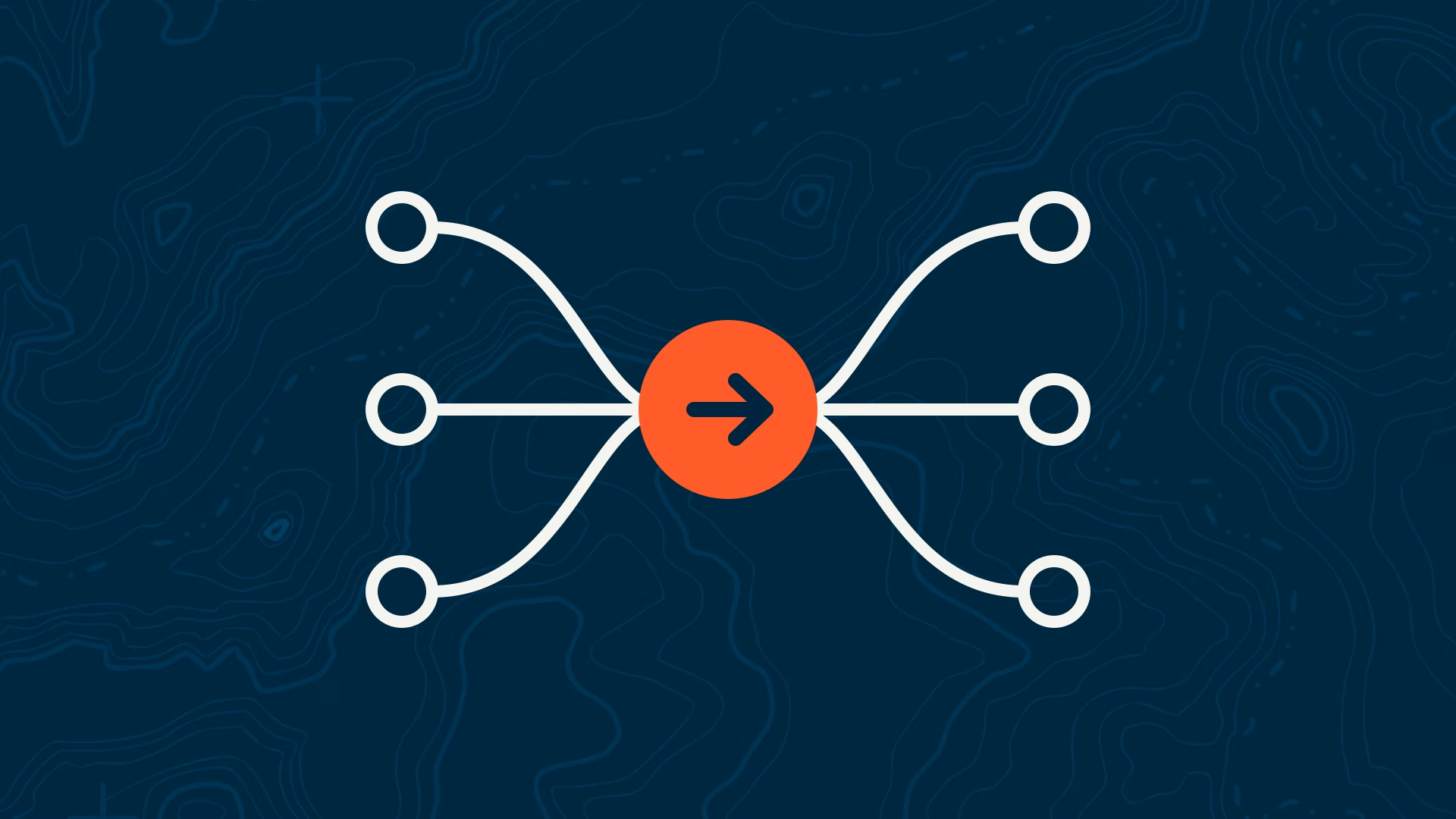
The proxy sends fewer tokens, picks the right model for each task, never pays twice for the same context and runs work that can wait at half price. Nobody is asked to use AI less and output quality is checked on your own work. For the right workload that is up to 70-80% lower cost; the free bill review tells you your number before you commit.
Savings measured against a baseline you agree
Before we change anything we agree the baseline with you: the same teams, the same kind of work, the cost per period today. Then we report the bill after, team by team and model by model. Provider price changes and new usage are called out separately, so the saving you report upward is the real one.
Forecastable, because the ceiling is set before the request
A budget on every key turns metered AI into a number finance can plan: the company sets the ceiling, Proxen holds it, with an alert at 80 percent and a hard stop at 100. A heavy month shows up as an alert and a conversation, not an invoice. By default Proxen stores no prompt or response bodies, only who, which model, how many tokens and what it cost.
Charged back by team, project or client, line by line
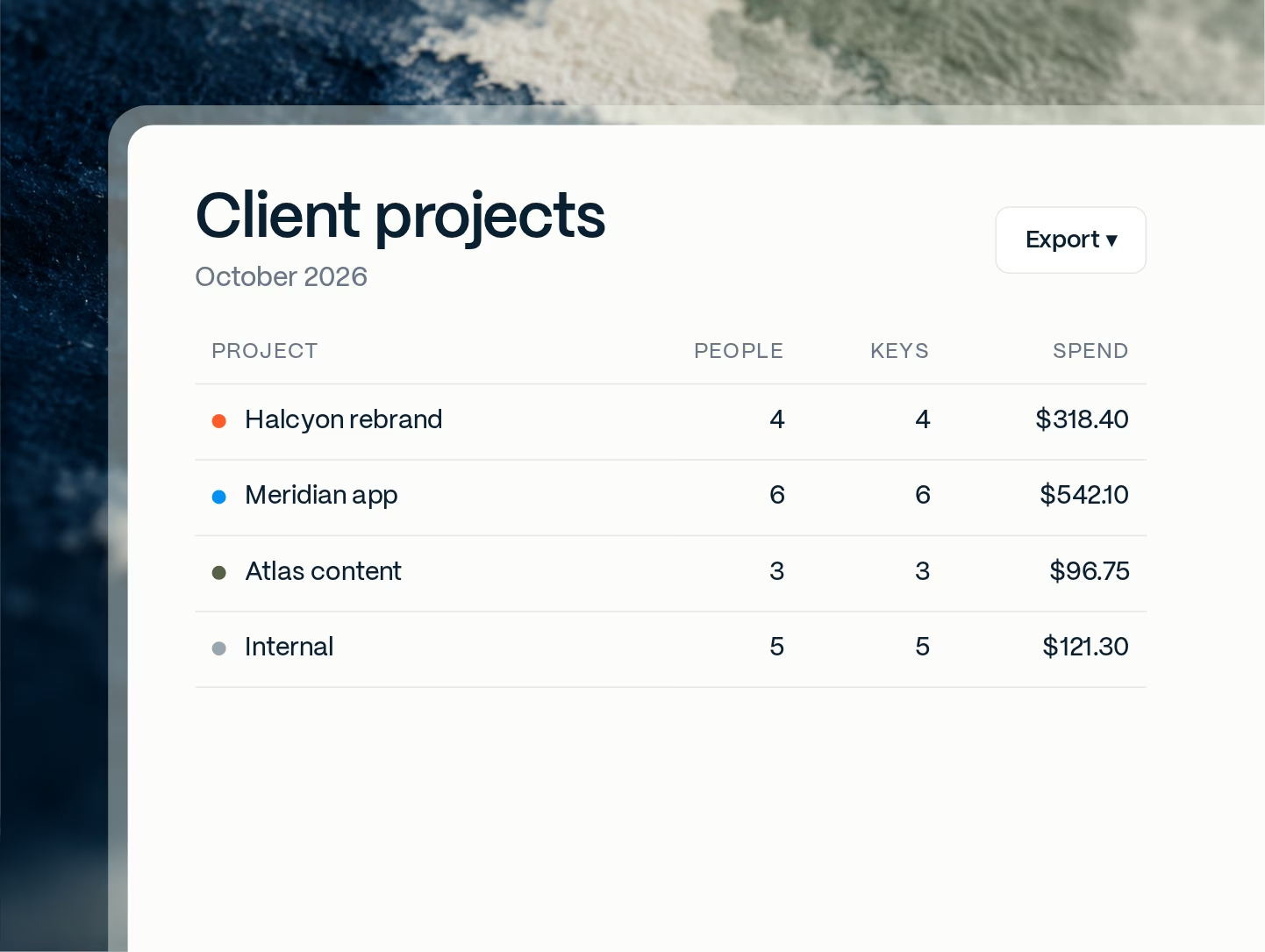
Each department, project or client engagement gets its own cost center, and each person or agent in it a key tagged to it. The console shows spend per cost center by month, with the model and token count behind every number. Allocate it to internal budgets, or pass it through to a client invoice as a pass-through.
What finance gets: a smaller bill, split the way you report
 Illustrative example
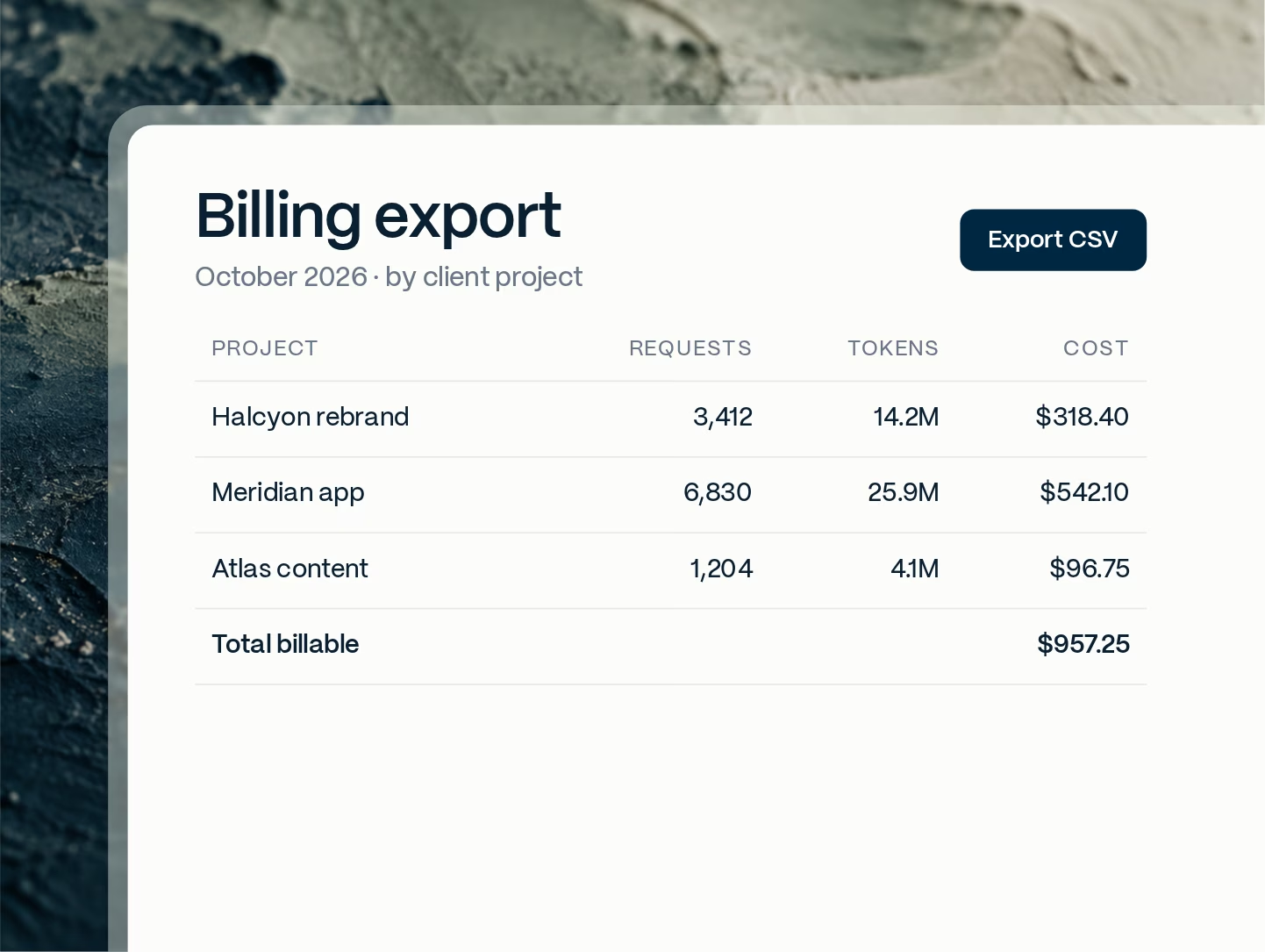 Illustrative example
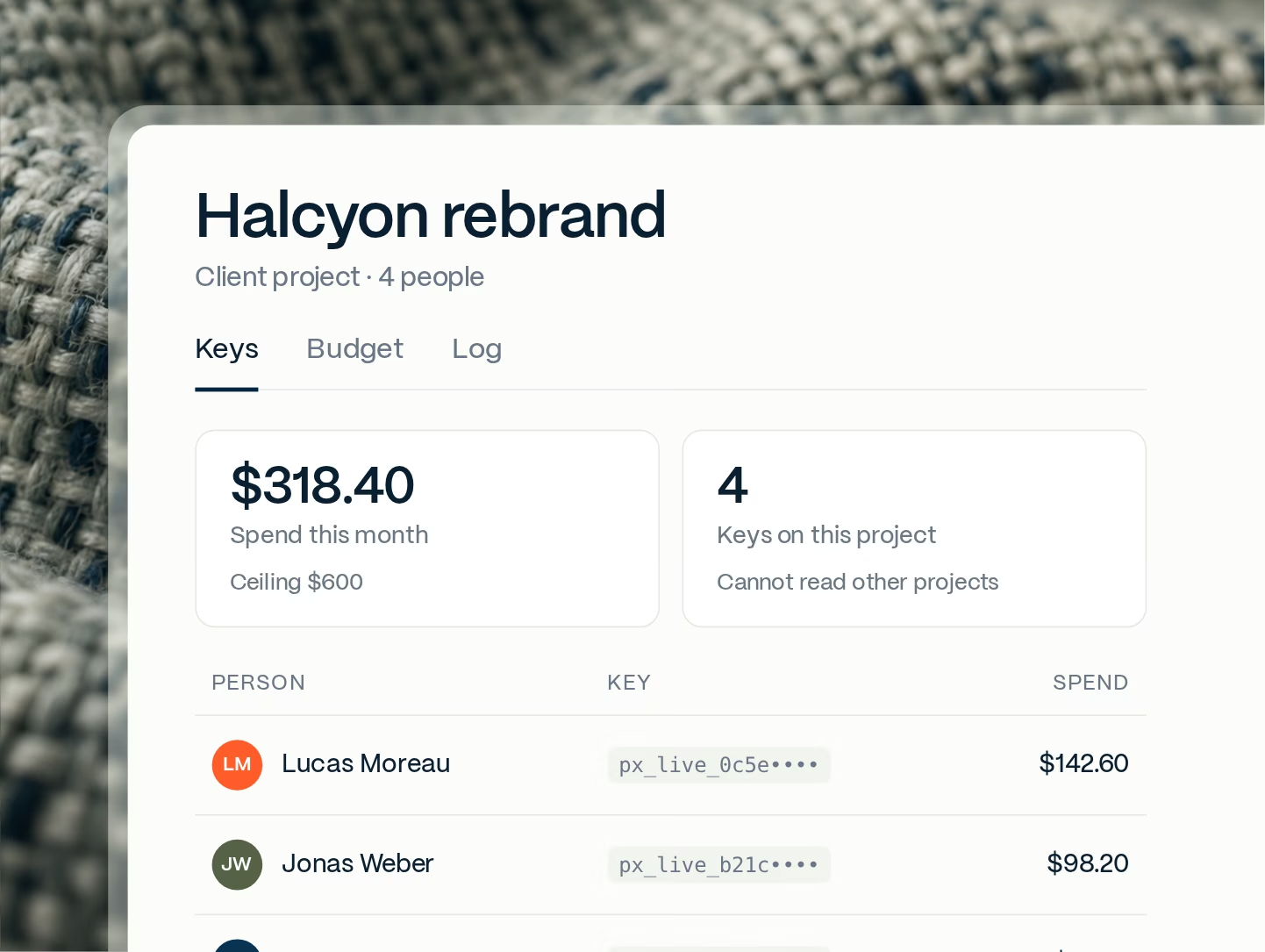 Illustrative exampleIllustrative exampleIllustrative example



See what the AI line should be
Send us one month of usage. We show you where the money leaks and the saving we expect, before you commit to anything. Free.