Authors

Contents
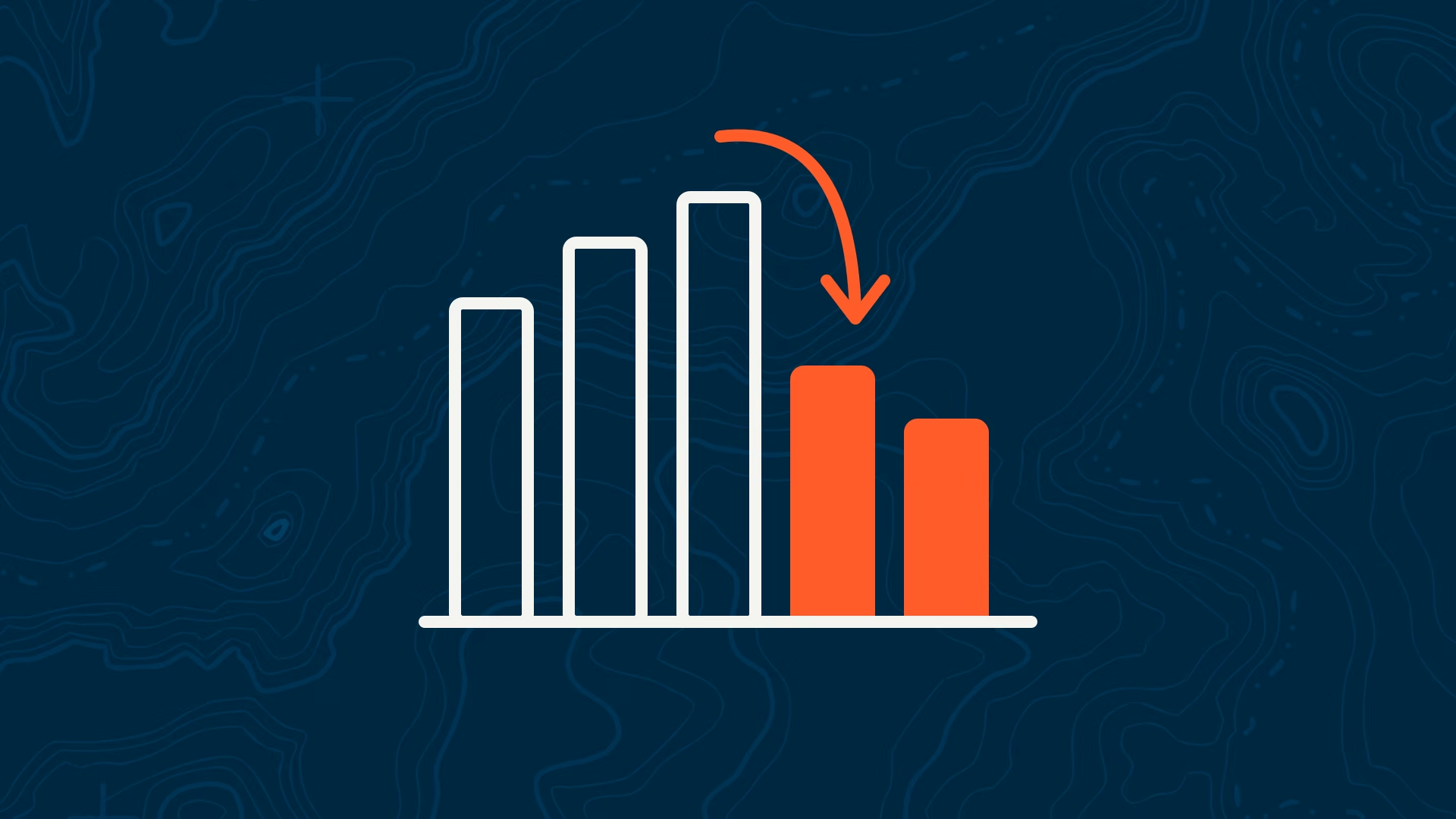
Find out what your AI bill could drop to
If you budget AI by multiplying headcount by an average, you will be wrong in the one place that matters. The average is fine. The spread around it is the bill.
The published numbers
Anthropic publishes cost figures for Claude Code across enterprise deployments: around $13 per developer per active day, $150 to $250 per developer per month, with 90 percent of users staying under $30 on any active day (Anthropic, Claude Code documentation, "Manage costs effectively", accessed 19 October 2026). Those are honest, useful numbers, and they are the ones most finance teams put into a spreadsheet.
Read them again. If 90 percent of people stay under $30 a day, the remaining 10 percent do not. Nothing in the published figures caps what a heavy day costs on a direct API account, because nothing caps it. A developer running several agent sessions at once, on a large codebase, on the strongest model, can spend in one day what a quiet colleague spends in a month.
The average is not the bill
Picture a 50-developer team. At the published average, the month is $7,500 to $12,500. Now give five of those developers a heavy month: long sessions, parallel agents, nightly jobs. If each of the five spends $150 a day on 20 working days, that is $15,000 from five people, more than the other 45 together. The team's average still reads "about $250 per developer". The invoice reads $25,000.
This is not a story about careless developers. The heavy users are usually the most productive ones, doing the work the company asked for. The problem is that per-person cost has a long tail and the tail is invisible until the invoice arrives, because a shared account shows one number for everyone.
Where the heavy days come from
Four things make a day expensive, and none of them is "using AI too much".
- Context that grows every turn. A coding agent resends the conversation, the files it has read and the tool output on every request. The longer the session, the more each turn costs, even if the question is small.
- The strongest model for everything. On Anthropic's price list Claude Opus 5.5 costs 40 times Claude Haiku 5.5 per token on prompts up to 100k tokens. A day of routine edits on Opus costs 40 times what it needs to.
- Cache misses. Anthropic's prompt cache serves repeated context at 5 percent of the input price, but only while it is warm and only if nothing earlier in the prompt changed. A reordered system prompt or a compaction rebuilds it at full price.
- Parallel agents and automation. Three sessions at once are three bills. A nightly job that runs for every pull request is a bill nobody is watching.
What to do with this
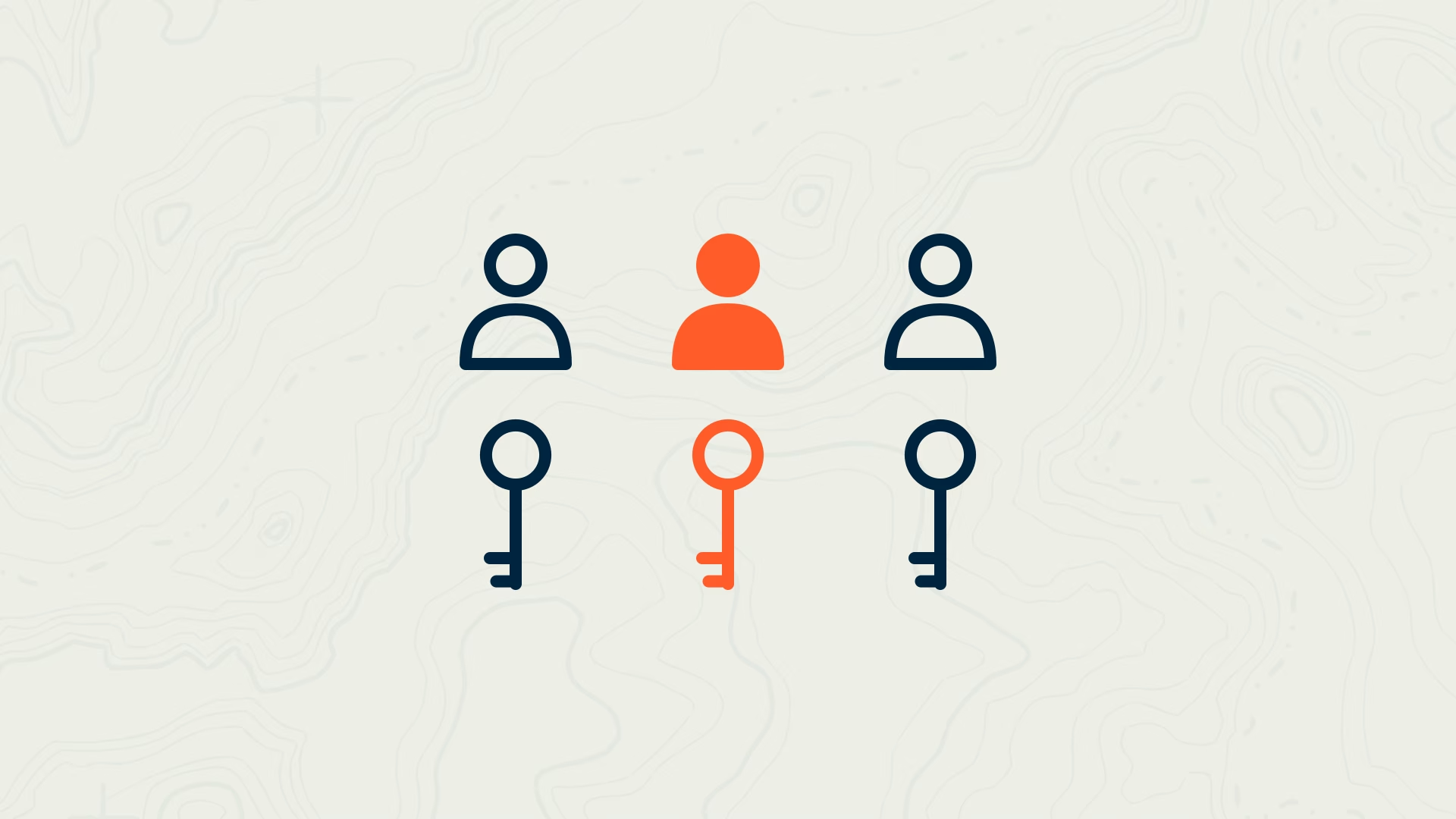
Budget by person, not by average. Give every developer and every agent its own key with its own budget, an alert at 80 percent and a hard stop at 100. Then the heavy days still happen, because the work still needs doing, but they happen inside a number someone chose. Spend by person, by model and by tool shows up in a log instead of in a surprise.
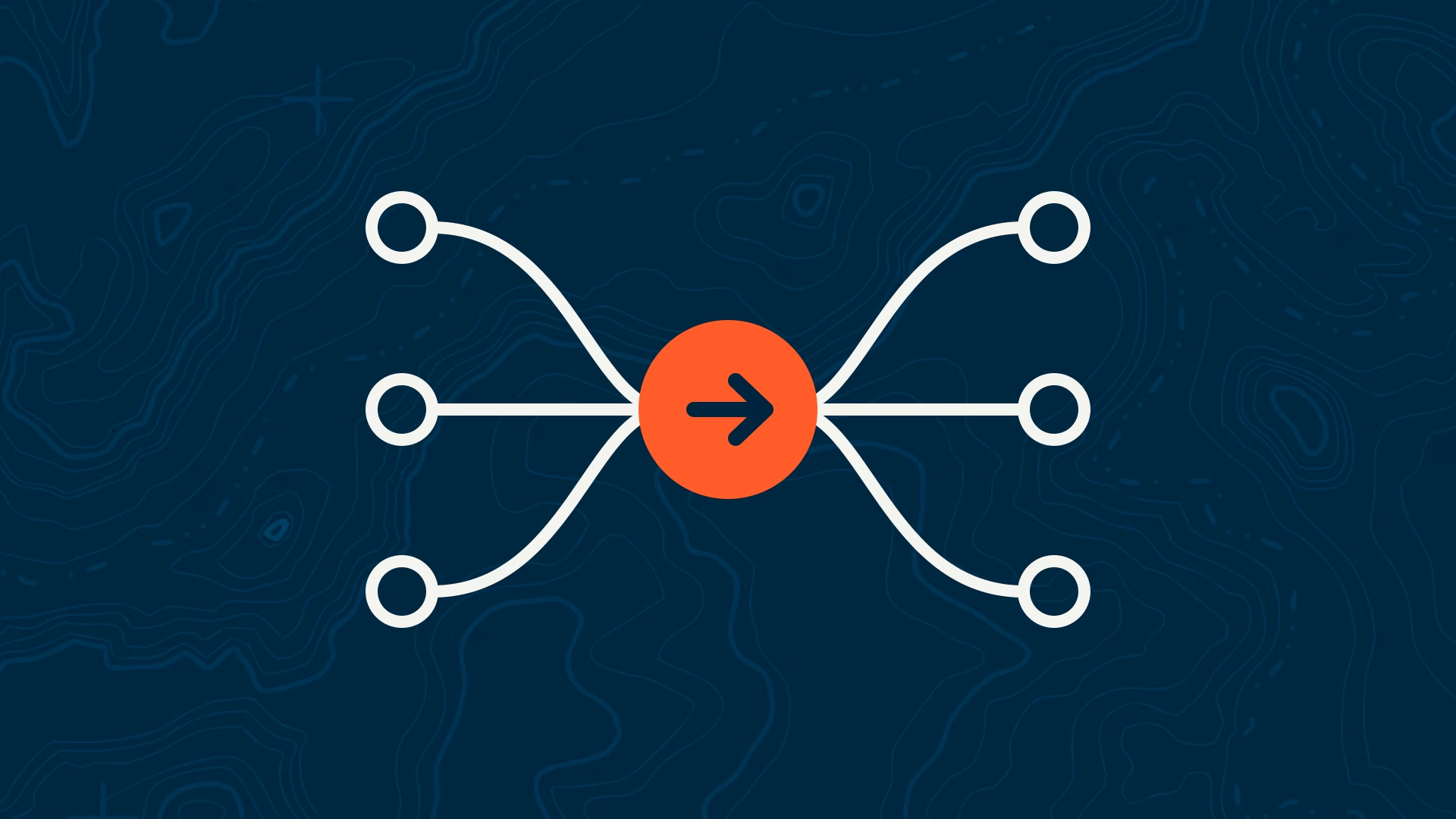
The second step is to make the heavy days cheaper without making them shorter: trim the context each turn carries, keep the cache warm, send routine work to a cheaper model and run the nightly jobs through the batch API at half price. That is what a proxy tuned to a team's setup does, and it is why we start every engagement with a free bill review of one month's usage: the tail is where the money is, and it is different for every team.